
Introduction
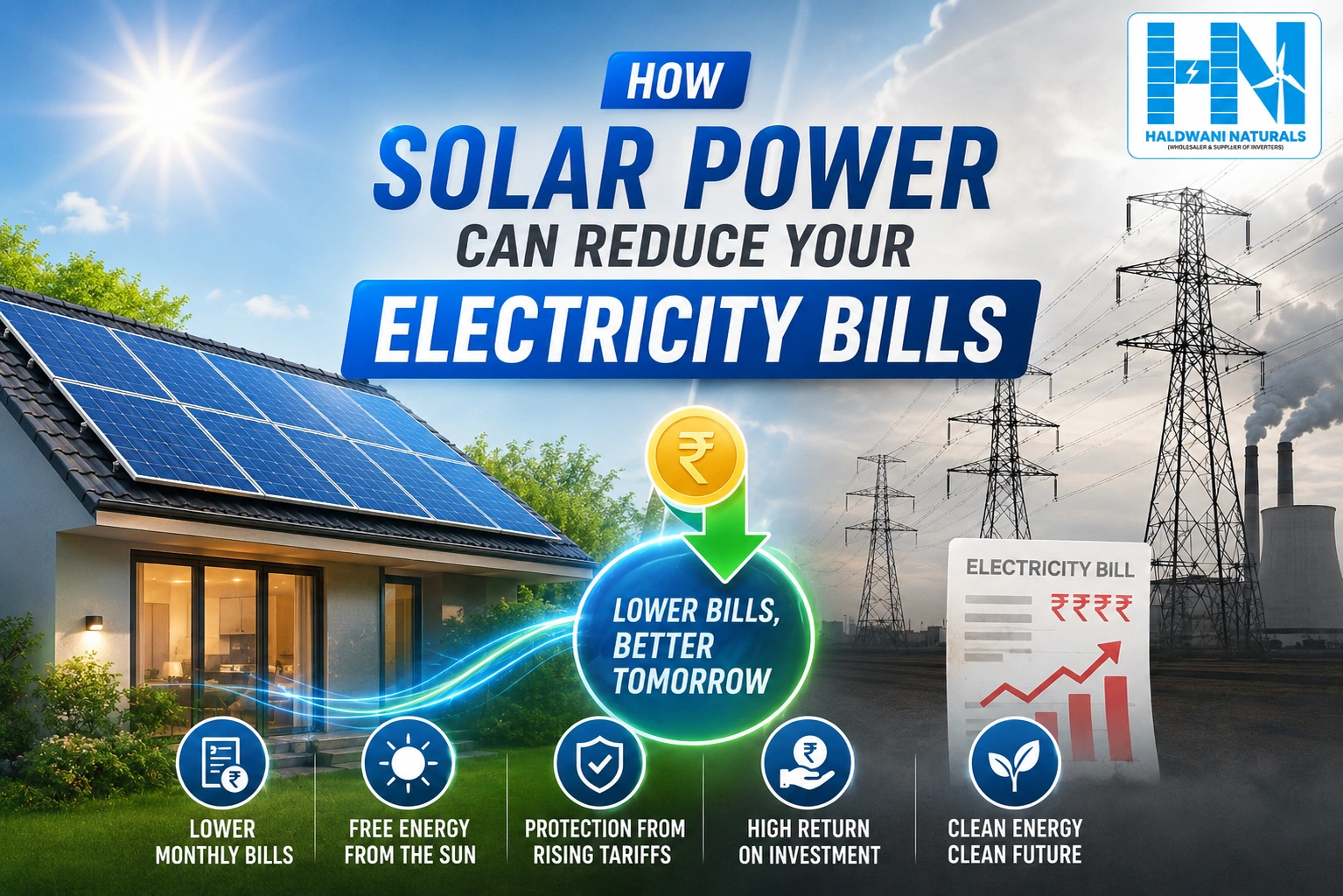
With electricity prices steadily increasing, homeowners and businesses are searching for effective ways to reduce their monthly energy expenses. One of the most popular and sustainable solutions is solar power. By generating electricity from sunlight, solar panels can significantly lower energy costs and provide long-term financial benefits.
In this article, we’ll explore how solar power works and how it can help reduce your electricity bills.
Understanding Solar Power
Solar power systems use photovoltaic (PV) panels to capture sunlight and convert it into electricity. This electricity can be used to power appliances, lighting, air conditioning systems, and other electrical devices in your home or business.
When your solar panels generate electricity, you rely less on power supplied by the utility company, resulting in lower monthly electricity bills.
Reduce Dependence on Grid Electricity
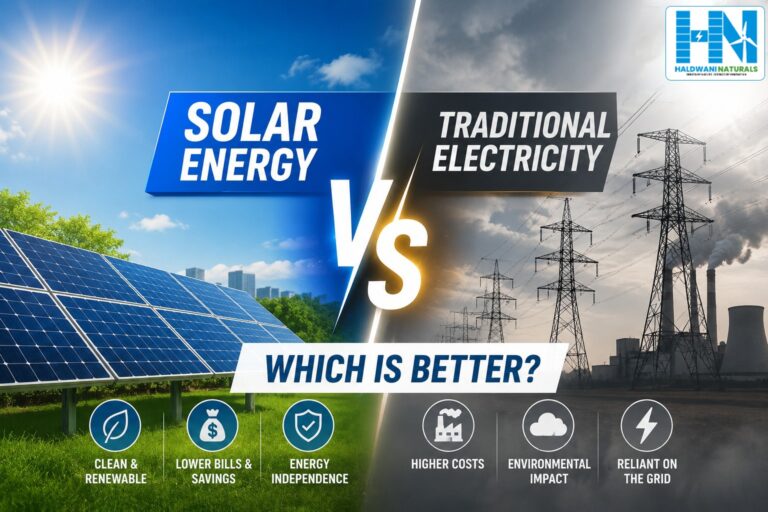
The primary reason solar power lowers electricity bills is that it reduces the amount of electricity you need to purchase from the grid.
For example:
- Without solar panels, all your electricity comes from the utility provider.
- With solar panels, a significant portion of your energy is generated on-site.
- The more electricity your solar system produces, the less you need to buy from the grid.
This directly translates into lower monthly energy costs.
Save Money Every Month
Solar energy can help households save a substantial amount each year.
Benefits include:
- Lower electricity bills
- Reduced peak-hour energy costs
- Predictable energy expenses
- Long-term financial savings
Depending on your location, energy consumption, and system size, savings can range from hundreds to thousands of dollars annually.
Protection Against Rising Electricity Prices
Utility companies often increase electricity rates over time. These increases can significantly impact household budgets.
By generating your own electricity through solar power, you become less affected by future energy price hikes. This provides long-term cost stability and greater financial control.
Net Metering Benefits
Many regions offer net metering programs that allow solar panel owners to send excess electricity back to the grid.
How it works:
- Solar panels generate more electricity than needed.
- Excess energy is exported to the power grid.
- The utility company provides credits for the surplus electricity.
- These credits help offset future electricity consumption.
As a result, your electricity bill can be reduced even further.
Low Maintenance Costs
Solar systems require very little maintenance compared to many other investments.
Typical maintenance includes:
- Cleaning panels occasionally
- Routine inspections
- Monitoring system performance
Most solar panels have warranties of 20–25 years and can continue producing electricity efficiently for decades.
Increase Property Value
Homes equipped with solar energy systems are often more attractive to buyers because they offer lower utility costs.
Benefits include:
- Increased property value
- Faster resale potential
- Greater energy efficiency appeal
This means solar power not only saves money on electricity but can also increase the value of your property.
Long-Term Return on Investment
Although installing solar panels requires an upfront investment, the long-term savings can be substantial.
Over time, many homeowners recover the installation cost through:
- Monthly energy savings
- Government incentives
- Tax credits and rebates
- Increased property value
After the system pays for itself, the electricity generated is essentially free.
Environmental Benefits
In addition to financial savings, solar power contributes to a cleaner environment.
Solar energy:
- Produces no harmful emissions
- Reduces carbon footprints
- Decreases dependence on fossil fuels
- Supports sustainable living
By choosing solar power, you save money while helping protect the planet.
Is Solar Power Worth It?
Solar power is an excellent investment for homeowners and businesses looking to:
- Lower electricity bills
- Gain energy independence
- Protect against rising utility rates
- Increase property value
- Support environmental sustainability
For most properties with adequate sunlight exposure, solar energy provides significant long-term benefits.
Conclusion
Solar power is one of the most effective ways to reduce electricity bills while investing in a cleaner and more sustainable future. By generating your own renewable energy, you can lower monthly expenses, protect yourself from rising energy costs, and enjoy long-term financial savings.
As solar technology continues to improve and installation costs become more affordable, there has never been a better time to consider switching to solar power.



2 Comments