Introduction
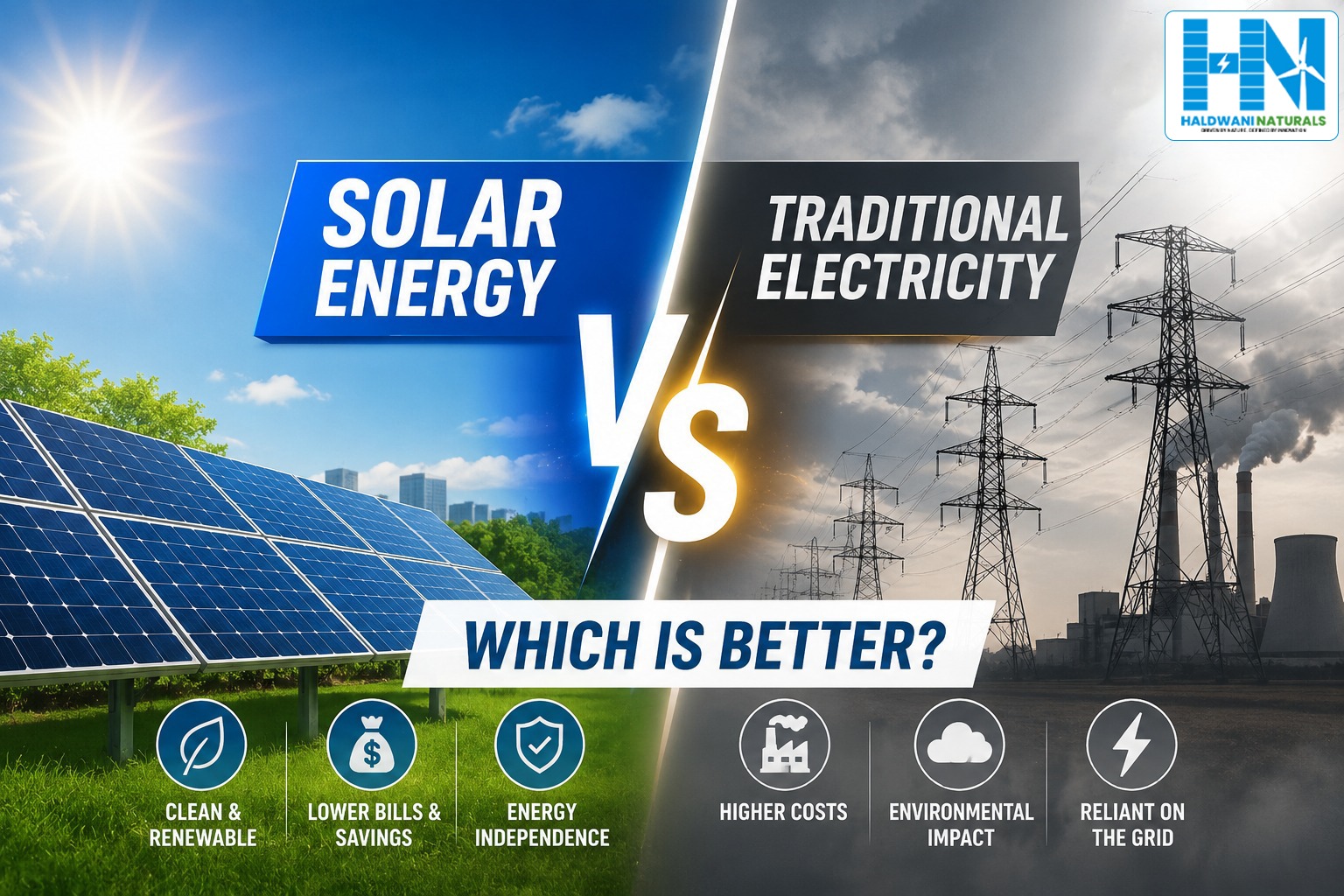
As energy costs continue to rise and environmental concerns become more important, many homeowners and businesses are considering solar energy as an alternative to traditional electricity. While both options provide the power needed for daily activities, they differ significantly in terms of cost, sustainability, reliability, and long-term benefits.
In this article, we’ll compare solar energy and traditional electricity to help you determine which option is best for your needs.
What is Solar Energy?
Solar energy is electricity generated from sunlight using solar panels. These panels convert solar radiation into usable electricity for homes, businesses, and industrial facilities.
Solar energy is considered a renewable energy source because sunlight is naturally replenished and available every day.
What is Traditional Electricity?
Traditional electricity is usually generated from power plants that rely on fossil fuels such as coal, natural gas, and oil. Electricity is then distributed to consumers through a centralized power grid.
While traditional electricity has powered modern society for decades, it often comes with environmental and economic challenges.
Cost Comparison
Solar Energy
- High initial installation cost
- Low ongoing operating expenses
- Significant savings on electricity bills
- Long-term return on investment
- Potential government incentives and rebates
Traditional Electricity
- No installation cost for consumers
- Monthly electricity bills continue indefinitely
- Energy prices can increase over time
- No ownership of energy production
Winner: Solar Energy for long-term savings.
Environmental Impact
Solar Energy
- Produces clean and renewable power
- No greenhouse gas emissions during operation
- Reduces carbon footprint
- Helps combat climate change
Traditional Electricity
- Often relies on fossil fuels
- Produces carbon dioxide and other pollutants
- Contributes to global warming
- Requires continuous extraction of natural resources
Winner: Solar Energy for environmental sustainability.
Reliability and Availability
Solar Energy
- Depends on sunlight availability
- Performance may decrease during cloudy weather
- Battery storage can provide backup power
Traditional Electricity
- Available 24/7 through the power grid
- Less dependent on weather conditions
- Can still be affected by power outages
Winner: Traditional Electricity for immediate reliability, but solar with battery storage is becoming increasingly dependable.
Maintenance Requirements
Solar Energy
- Minimal maintenance
- Occasional cleaning of solar panels
- Long lifespan of 25–30 years
Traditional Electricity
- No maintenance responsibility for consumers
- Utility companies maintain infrastructure
Winner: Tie, though solar systems require very little upkeep.
Energy Independence
Solar Energy
- Allows users to generate their own power
- Reduces dependence on utility providers
- Provides protection against rising electricity prices
Traditional Electricity
- Complete dependence on utility companies
- Vulnerable to rate increases and grid disruptions
Winner: Solar Energy.
Long-Term Value
Solar panels are considered a long-term investment. Over time, the savings on electricity bills can exceed the installation costs, making solar energy financially attractive.
Traditional electricity offers convenience but does not provide ownership or long-term financial returns.
Winner: Solar Energy.
Quick Comparison Table
| Feature | Solar Energy | Traditional Electricity |
|---|---|---|
| Energy Source | Sunlight | Fossil Fuels/Grid |
| Renewable | Yes | No |
| Monthly Bills | Lower | Higher |
| Environmental Impact | Low | High |
| Installation Cost | Higher | None |
| Long-Term Savings | Excellent | Limited |
| Energy Independence | Yes | No |
| Carbon Emissions | Minimal | Significant |
Which is Better?
The answer depends on your priorities:
- If you want lower long-term costs, cleaner energy, and energy independence, solar energy is the better choice.
- If you prefer no upfront investment and immediate access to electricity, traditional electricity may be more convenient.
For most homeowners and businesses, combining solar energy with the traditional power grid offers the best balance of reliability and cost savings.
Conclusion
Solar energy is rapidly becoming the preferred choice for sustainable and cost-effective power generation. While traditional electricity remains essential, the benefits of solar energy—including reduced electricity bills, environmental protection, and energy independence—make it a smart investment for the future.
As solar technology becomes more affordable and efficient, more people are making the switch and enjoying the long-term advantages of renewable energy.
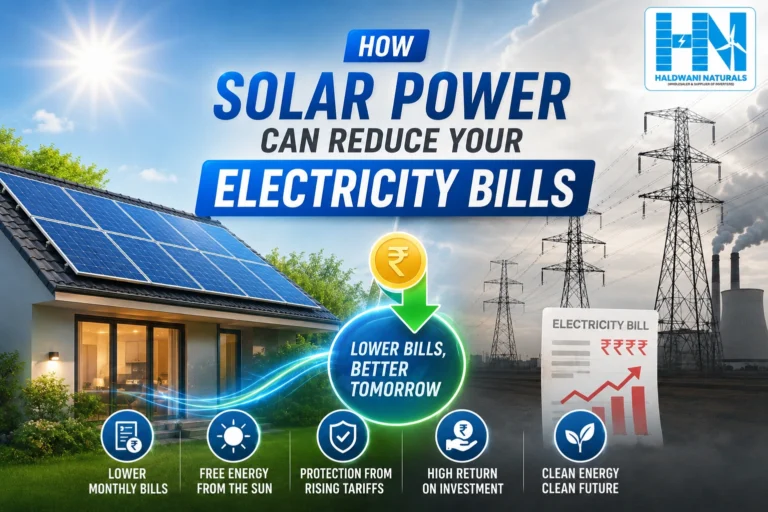
Also Read : How Solar Power Can Reduce Your Electricity Bills